Conflict Resolution Center Trainings
Organizational Trainings & Consulting:
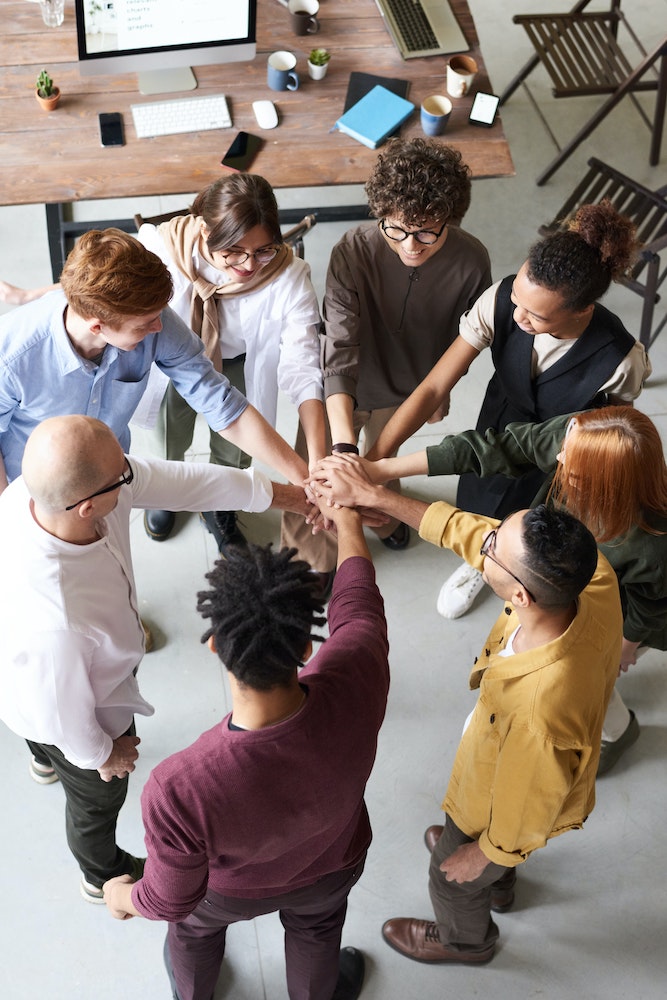
Pair CRC’s Conflict Skills to Connect, Collaborate, Innovate Workshops with CRC’s Facilitated Group Conversations and Conflict Transformation Consulting Services to help your group co-create a way of being that is connected, collaborative, and innovative!
Conflict Skills to Connect, Collaborate, Innovate!
Conflict is an opportunity for connection, collaboration, and innovation. Brush up on your conflict skills trainings and group community building sessions. The part of conflict we can control is our self-awareness and conflict skills. When we change ourselves, other things can change around us and inside of us, resulting in new outcomes and experiences. For an immersive experience, we’ll get together in-person and have fun as we learn concepts and skills that help us connect, collaborate, and innovate in our relationships and communities.
Conflict Basics 101
Conflict Skills to Connect, Collaborate, Innovate!
Conflict provides an opportunity for connection, collaboration, and innovation. These trainings are in person and engagingly fun, using the experiential learning style, and we even partner with an improv coach for skills practice in the sessions.
Tracks: collaborative group dynamics, conflict as an opportunity for innovation, self-awareness, conflict skills for prevention and intervention
- Conflict Basics 101: Conflict as an opportunity to Connect, Collaborate, & Innovate. Our mindset and skills are what we can control in conflict. Increasing self-awareness in conflict is the first step to connection, collaboration, and innovation. This workshop is an interactive 2 hour overview of the Conflict 101 basics. With engaging activities and community connection, developing a collaborative mindset in conflict is fun!
Deep Dive Skills Topics (Conflict Skills 201):
2 hour sessions. Prerequisite: Conflict Basics 101. Tracks: Conflict Resolution Skills & Awareness
- Conflict 201: Self-Awareness, Boundaries, and Mind-Body Care for De-Escalation – explore the connection of mind-body awareness and self-care to de-escalation and conflict transformation efforts.
- Conflict 201: Navigating Communication Styles & Managing Assumptions – A 2 hour interactive deep dive to explore our communication styles preferences and managing assumptions about others. Differences are a Resource! Mutually share the most resources during interactions and improve outcomes when working with differences and in groups.
- Conflict 201: But when do I get to talk?? – The Power of Patience, Curiosity, & Reframing – In this workshop we’ll take a deeper dive to learn listening skills that when applied in the right context can really work, explore the nuances of when to redirect, and think about how to craft a listening plan of action that works for you.
- Conflict 201: Working Across Conflict Styles by Asking Good Questions – You’ve Got This!: a 2 hour session exploring our preferred conflict style and working with other styles to improve communication and mutual collaboration.
Sustainable Conflict Skills (Conflict Skills 301)
Sustainable Conflict Skills – Extended Practice through Improv (Conflict Skills 301): CRC partners with an experienced Improv coach for a dynamic skills practice session after a completed Conflict 201 workshop. Prerequisite, a related Conflict 201 workshop(s).
We’ve Got This!: Teambuilding for Respectful Group Dynamics:
A 2 hour teambuilding/ community building session to take a deeper dive into the conflict dynamics that especially impact groups and explore how to establish sustainable respectful group guidelines and a shared sense of community within the group.
Tracks: Teambuilding for Teams, Building Resilient Communities
Recharge to Resist: Finding Strength in Rest for Conflict Transformation and Activism Tracks
Recharge to Resist: Finding Strength in Rest for Conflict Transformation and Activism
Tracks: Equity, Justice & Inclusion; Conflict Transformation
In this session you will learn why rest is essential for sustaining activism and transforming conflict. You will explore how deliberate pauses can build resilience, reduce burnout, and improve decision-making. The presentation will share practical strategies to care for your nervous system and stay grounded in stressful moments. You will leave with tools to approach justice work with clarity and balance.
Presented by Nikki Beasley and Lauren Thrift, Conflict Resolution Center at MCN’s 2025 Conference
Conflict Coach Training
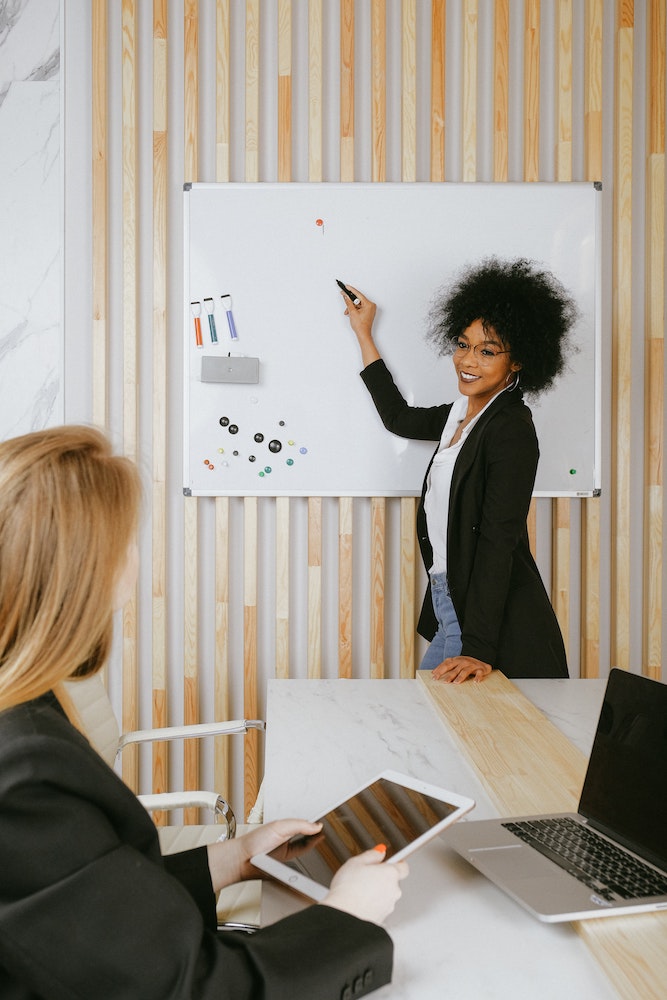
This 16-hour workshop is for people who work with others in conflict. Conflict coaching is one-on-one process during which a trained conflict coach works with a person in conflict using conflict resolution skills and strategies to support the coachee’s ability to engage in, manage, or productively resolve the conflict. Conflict coaching can be used as a stand-alone process or as a step before or during mediation. A conflict coach is a confidential listener who helps the coachee see the conflict from all perspectives, consider options, and come up with a plan of action. In conflict coaching, the coachee, not the conflict coach, is responsible for the outcome. Conflict coaching can be useful for conflicts in the workplace, divorce and post-decree situations as well as community disputes.
16 ADR CE credits awarded. The following topics will be covered:
- Understanding what conflict coaching is and is not;
- Understanding conflict- sources, types, physiology;
- Gaining new skills to help others transform conflict;
- Understanding and conducting the stages of conflict coaching;
- Understanding and appreciating the role of emotion;
- Gaining hands on skills in teaching “I” messages, conflict mapping, role playing, listening, perspective swapping and other skills;
- Practicing conflict coaching through role plays and exercises.

MEDIATOR CONTINUING EDUCATION
Stay tuned for a conflict skills series coming soon where mediators can practice transferable skills that help improve mediations. Continuing Ed credits will be applied for.
MEDIATOR TRAINING is geared toward individuals wanting to volunteer in their communities. Click to view the training calendar of Community Mediation Minnesota and Member Organization Training Partners . They train attorneys, human resources personnel, social workers, etc. In a recent training, an attorney announced that she had changed how she talks to clients, with excellent results and improved relationships.
CMM offers a wide variety of mediator trainings including General (Civil) Mediation Training, Elder Mediation Skills, Family Mediation Training, and more. Click here for a full list of CMM’s training descriptions and upcoming trainings.
FAMILY BRIDGE TRAINING
Prerequisite is a 30-Hour Civil Mediation Training. Completion of this Family Bridge class allows you to be on the Family Facilitative/Hybrid Roster in Minnesota.
Family mediation is an empowering process for people separating or divorcing. District courts throughout Minnesota require parties filing for divorce to consider alternative dispute resolution processes during the course of their court case. If you are already a trained civil mediator and are interested in becoming trained to mediate family mediation cases, completion of this class means you are eligible to apply to be on the Minnesota Rule 114 Family Facilitative Hybrid Qualified Neutral Roster. In this class we cover: family law; psychological issues of adults and children in divorce; domestic abuse; financial and property issues, and mediator ethics in family cases. Class includes role plays, coaching and debriefing.
Professional Credits:
25 Alternative Dispute Resolution Credits (ADR)
25 Standard Continuing Legal Education Credits (CLE)

Words Can Work – Youth Conflict Education
CRC’s Words Can Work is a conflict resolution education curriculum that utilizes relationship-building restorative circles, where effective conflict resolution strategies are modeled, discussed, and practiced. Words Can Work curriculum is based on social emotional learning (SEL) research in which people build skills in self-awareness, managing emotions, establishing relationships, and making responsible decisions that support success in school, work, and life.
Over many weeks of being in circle together, youth and adults learn how to respond peacefully and productively to conflict. The curriculum includes a series of topics, such as understanding how the brain functions during conflict, checking our own emotional backpacks, seeing from others’ perspectives, and so on. In these sessions, students reflect on their life experiences and the impact of past decision making. This program helps people understand productive versus destructive conflict behaviors and the impact of conflict in their lives. It also encourages them to utilize the skills in a variety of settings.
